
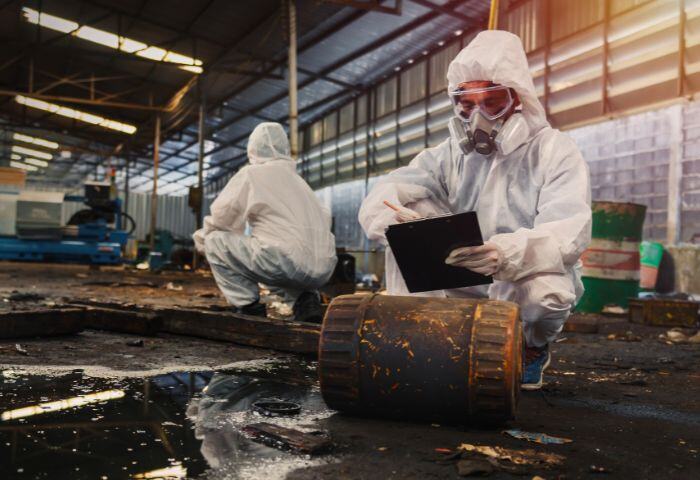
Businesses operating in Stockton, California, that generate hazardous waste are required to ensure it is handled, transported, and disposed of in full compliance. Failure to do so can lead to costly fines, legal liability, and damage to your reputation.
Whether you’re a manufacturer, laboratory, automotive facility, dental practice, or commercial operation of another type, understanding what hazardous waste you produce and how to find the right disposal partner is essential to protecting your business and the community.
What Is Hazardous Waste for Stockton Businesses?
In California, “hazardous waste” covers a broad range of materials that may be ignitable, corrosive, reactive, toxic, or otherwise harmful. Not all commercial waste is hazardous, and accurate classification is the first step toward compliance.
Common hazardous waste streams in a Stockton business setting include:
Industrial and Chemical Waste
- Solvents, degreasers, and paint thinners
- Cleaning agents or process chemicals
- Industrial coatings or adhesives
- Heavy metal-containing wastes
Many manufacturing facilities, printing operations, and maintenance shops generate these materials routinely.
Contaminated Packaging and Rags
- Containers that held hazardous liquids
- Shop towels soaked in solvents
- Absorbents from spills
Because residual chemicals can persist on packaging or rags, they are often classified as hazardous waste unless properly decontaminated.
Batteries and Electronic Waste
- Lead-acid batteries, lithium batteries
- Circuit boards, monitors, and other electronics
Electronic components and batteries contain metals and substances that are toxic or regulated under universal waste rules. Handling these waste types correctly is critical.
Oils and Fuel Residues
- Used oil from machinery or vehicles
- Fuel filters and residues
Used oil is regulated separately and may require specific handling and disposal pathways to prevent soil and water contamination.
Laboratory and Chemical Residues
- Unused reagents
- Reaction byproducts
- Expired chemicals
Labs of all types, including research facilities and quality-control environments, can generate numerous chemically hazardous wastes.
Medical and Biohazard Waste
While this article focuses on broadly generated hazardous waste, some Stockton businesses like dental or medical offices also generate regulated medical waste like sharps, blood-soaked materials, or pathological waste. In California, this type of waste must be handled and transported by a licensed regulated medical waste transporter. When medical waste is combined with chemical hazards (e.g., pharmaceutical trace waste), additional classification and licensing reviews may apply.
If your business generates medical waste, you can use this Medicine Waste Disposal Compliance Checklist to ensure your facility is meeting all regulations.
Why Professional Hazardous Waste Disposal Matters
Hazardous waste is not something that can be thrown into a dumpster or recycled with ordinary trash. Improper disposal can result in:
- Regulatory enforcement and fines
- Cleanup liability and environmental damage
- Worker safety risks
- Negative community impact
Federal rules under the Resource Conservation and Recovery Act (RCRA) and California’s hazardous waste laws govern how businesses manage, store, transport, and dispose of regulated wastes. Even small amounts of hazardous materials must be managed carefully.
How to Determine What Your Business Generates
Identifying and classifying hazardous waste streams correctly is vital before you reach out for disposal services. Most businesses can follow these steps:
1. Conduct a Waste Audit
Review all materials used in your operations. Look for:
- Chemicals with hazard labels
- Materials that are flammable, corrosive, or toxic
- Items listed on federal or California hazardous waste lists
A simple audit helps determine what needs special handling.
2. Consult Regulatory Guidance
State and local agencies provide hazardous waste classification tools and guidance documents that help clarify what is regulated and what is not. Some waste types may be exempt or fall under specific categories like universal waste.
3. Document Waste Streams
Keep clear records of the types and volumes of waste your business generates. This information will be essential when engaging a disposal partner and is often required for compliance reporting.
How to Find a Qualified Hazardous Waste Disposal Company
Once you understand your waste streams, the next step is finding a disposal partner that can legally handle your waste and keep your business compliant.
Here’s how to identify and evaluate environmental services that serve Stockton:
1. Verify Licensing and Permits
Ensure the company is properly permitted to handle your specific waste types. Hazards can range from hazardous chemical waste to universal waste like batteries or electronic devices.
Ask for:
- EPA ID number
- California hazardous waste transporter license
- Permits for handling specialized waste streams
A reputable provider will gladly share this information.
2. Check Service Coverage
Not all hazardous waste disposal companies handle every type of waste. Confirm that the company you’re considering can service:
- Your specific waste streams
- Your facility location in Stockton
- The volume and frequency of your waste generation
Some firms specialize in industrial chemicals, while others handle lab waste, universal waste, or oils.
3. Ask About Documentation Support
Proper documentation is critical for audit trails. A compliant hazardous waste transporter should provide:
- Manifests detailing pickup and disposal
- Certificates of recycling or destruction
- Tracking and reporting templates
Good documentation protects your business during inspections and audits.
4. Confirm Transport and Disposal Methods
Hazardous waste must be transported in approved vehicles and disposed of at permitted facilities. Ask about:
- How wastes are packaged and labeled
- Transport procedures
- Final treatment or disposal methods
Ensure these meet California and federal standards.
5. Evaluate Safety Programs
A quality hazardous waste partner should have strong safety practices, including trained staff, formal safety procedures, and a track record of safe handling.
Questions to Ask Potential Disposal Partners
To help you evaluate options, here are some questions to consider:
- Are you licensed to transport and dispose of my specific waste types?
- Do you provide manifests and certificates of disposal?
- Can you help with waste classification or onsite audits?
- Do you handle emergency response if there is a spill?
- How frequently do you offer pickup services?
Answers to these questions will clarify whether a provider is a good fit for your business.
Building a Waste Management Plan
Most successful businesses don’t wait until waste becomes a problem — they build a hazardous waste management plan that includes:
- Regular waste audits
- Training for employees
- Waste segregation procedures
- Approved disposal pathways
- Recordkeeping practices
Your hazardous waste disposal partner should be part of this plan, helping you prevent issues before they arise.
Final Thoughts
For Stockton businesses, hazardous waste disposal is more than a logistical detail — it’s a legal requirement and an essential aspect of responsible operations. Understanding what wastes your facility produces, how they must be classified, and how to find a licensed, compliant disposal partner will help protect your company, your employees, and your community.
By taking a proactive, informed approach to hazardous waste management, Stockton businesses can stay compliant, reduce risk, and maintain operational continuity.

Businesses operating in Stockton, California, that generate hazardous waste are required to ensure it is handled, transported, and disposed of in full compliance. Failure to do so can lead to costly fines, legal liability, and damage to your reputation.