
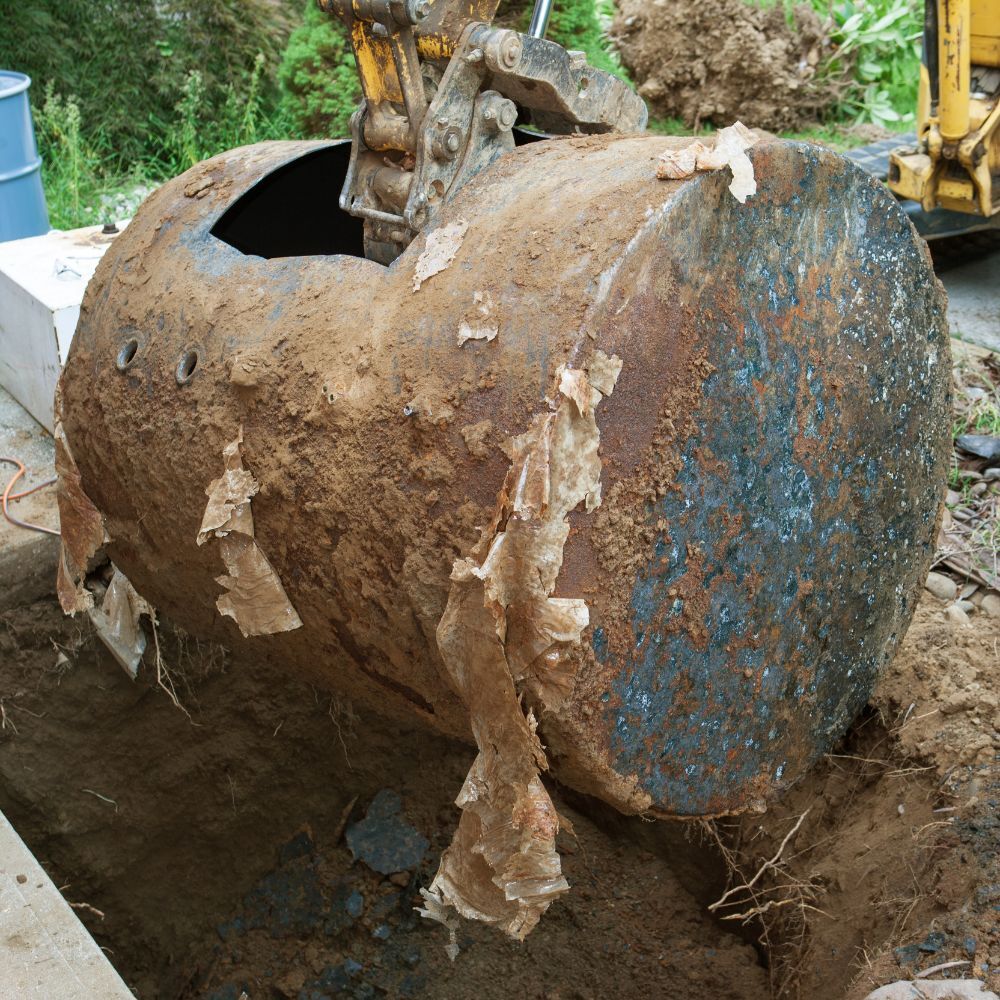
Industrial tanks are workhorses across a wide range of sectors — from fuel storage in logistics hubs to chemical holding tanks in manufacturing plants and wastewater tanks at municipal sites.
But over time, even the most robust tanks need attention. Whether it’s routine cleaning or complete removal, maintaining tanks is a critical part of staying safe and compliant.
Let’s go over the different types of tank cleaning services, when cleaning or removal may be necessary, and what to look for in a reliable partner to get the job done right.
Types of Tank Cleaning Services
Tank cleaning isn’t a one-size-fits-all service. Different types of tanks and contents require different methods, equipment, and safety protocols. Here are several common categories of tank cleaning services typically offered to industrial and commercial facilities.
Fuel and Oil Tank Cleaning
These services target tanks that store diesel, gasoline, heating oil, or waste oil. Over time, sludge, rust, and sediment build up at the bottom of the tank, reducing storage capacity and potentially damaging equipment. Cleaning involves removing this buildup using vacuum trucks, non-sparking tools, and, in some cases, chemical agents to break down residues.
Chemical Tank Cleaning
Industrial processes often rely on tanks to store harsh chemicals like acids, alkalis, or solvents. Cleaning these tanks requires specialized PPE and protocols to neutralize hazardous substances and prevent cross-contamination.
Water and Wastewater Tank Cleaning
Facilities that handle water treatment or reuse may require routine cleaning of sedimentation tanks, clarifiers, or holding tanks. This process helps prevent microbial growth, corrosion, and fouling that could impair system performance.
Food-Grade Tank Cleaning
In the food and beverage sector, tanks must meet strict sanitation standards. Cleaning often involves high-pressure hot water, steam, or food-safe detergents — and must follow HACCP or FDA guidelines.
Confined Space Entry Cleaning
Some tank interiors require human entry for manual scrubbing, inspection, or repair. These jobs involve confined space entry teams trained in OSHA safety standards, gas monitoring, and emergency extraction protocols.
Each service must be tailored to the tank’s material, contents, size, and access points … making professional expertise essential.
When Are Tank Cleaning Services Needed?
Tank cleaning isn’t always top of mind for facility managers … that is, until a problem arises. But proactive cleaning can help prevent contamination, system failures, and regulatory violations. Here are some common scenarios where tank cleaning is either necessary or highly recommended.
Preventive Maintenance
Regular tank cleaning as part of a preventive maintenance program extends the life of the tank and keeps systems running smoothly. Scheduled cleanings can reduce downtime, avoid costly repairs, and maintain product purity.
Prior to Tank Inspection or Repair
Before conducting internal inspections or making structural repairs, tanks often need to be cleaned and degassed. This ensures safety and visibility, especially in confined space environments.
Change in Stored Product
If a tank is switching from one substance to another (for example, from fuel oil to biodiesel), a full cleaning is critical to prevent chemical reactions or contamination.
Decommissioning or Removal Preparation
Before a tank is removed from service or taken offsite, it typically must be emptied, cleaned, and certified free of hazardous residues.
Compliance with Regulations
Environmental agencies may require regular cleaning or proof of cleaning in specific industries, particularly those handling hazardous materials. Failing to comply can lead to penalties or shutdowns.
When Is Tank Removal Necessary?
While cleaning can extend a tank’s usable life, there are times when tank removal becomes the only safe or practical option. Understanding when removal is required can help prevent safety incidents and avoid legal consequences.
Structural Damage or Corrosion
If a tank shows signs of severe rust, leaks, bulging, or compromised support structures, removal is typically required. Deteriorated tanks are a liability and pose environmental hazards if not properly decommissioned.
Regulatory Non-Compliance
Changes in environmental laws may render older tanks non-compliant, especially those lacking secondary containment or leak detection systems. In these cases, tanks must be removed or upgraded.
Operational Changes
If your facility is shifting from fossil fuels to electric systems, downsizing, or repurposing space, removing unnecessary tanks may be part of the transition.
Contamination or Spill Risk
Tanks involved in previous spills, or suspected of contaminating soil or groundwater, may need to be removed to access and remediate the site properly.
Property Redevelopment or Sale
Before selling or redeveloping industrial property, existing tanks often must be removed to meet buyer requirements or state disclosure laws.
Tank removal is a high-risk process, especially when hazardous materials are involved. Even above ground tanks require careful planning, permits, and safety measures to avoid accidents or environmental violations.
What to Look for in a Tank Cleaning and Removal Company
Because tank services involve environmental risk, regulatory scrutiny, and potentially hazardous materials, who you hire truly matters. Here’s what to look for in a qualified tank cleaning and removal contractor:
Licensing and Certifications: Look for contractors licensed to handle hazardous waste, perform confined space entry, and transport regulated materials. Certifications in OSHA safety, HAZWOPER, and DOT regulations are strong indicators of professionalism.
Pollution Liability Insurance: Make sure the company carries pollution liability coverage in addition to standard general liability and workers’ compensation. This protects your business in the event of a spill or contamination incident.
Experience With Your Industry: Different industries have different tank types and regulatory frameworks. Choose a company that has worked with facilities like yours, whether in manufacturing, energy, food processing, or wastewater.
Proper Equipment and Safety Protocols: Reputable tank service providers use vacuum trucks, degassing units, spill containment systems, and specialized tools designed for hazardous environments. They should also follow strict safety protocols to protect workers and your site.
End-to-End Documentation: From waste manifests and inspection reports to closure certificates and disposal receipts, your contractor should provide complete records of the cleaning or removal process … something regulators often require.
Environmental Awareness: A good contractor doesn’t just clean or remove tanks. A partner also minimizes your environmental impact. That includes handling waste responsibly, identifying contamination issues, and suggesting remediation steps if needed.
Positive Reputation and References: Ask for references or case studies from similar projects. A company with a strong safety record and successful track record will be transparent about past performance.
Whether you’re keeping your tanks in peak condition or preparing to take them offline, professional tank cleaning and removal services are essential. Skimping on this work — or hiring the wrong vendor — can lead to costly downtime, environmental damage, and regulatory fines.
From sludge removal in fuel tanks to full decommissioning of aging chemical vessels, the right service provider will handle every aspect with precision and professionalism. When your tanks play a critical role in your operations, make sure the team maintaining them is just as reliable.

Industrial tanks are workhorses across a wide range of sectors — from fuel storage in logistics hubs to chemical holding tanks in manufacturing plants and wastewater tanks at municipal sites.