
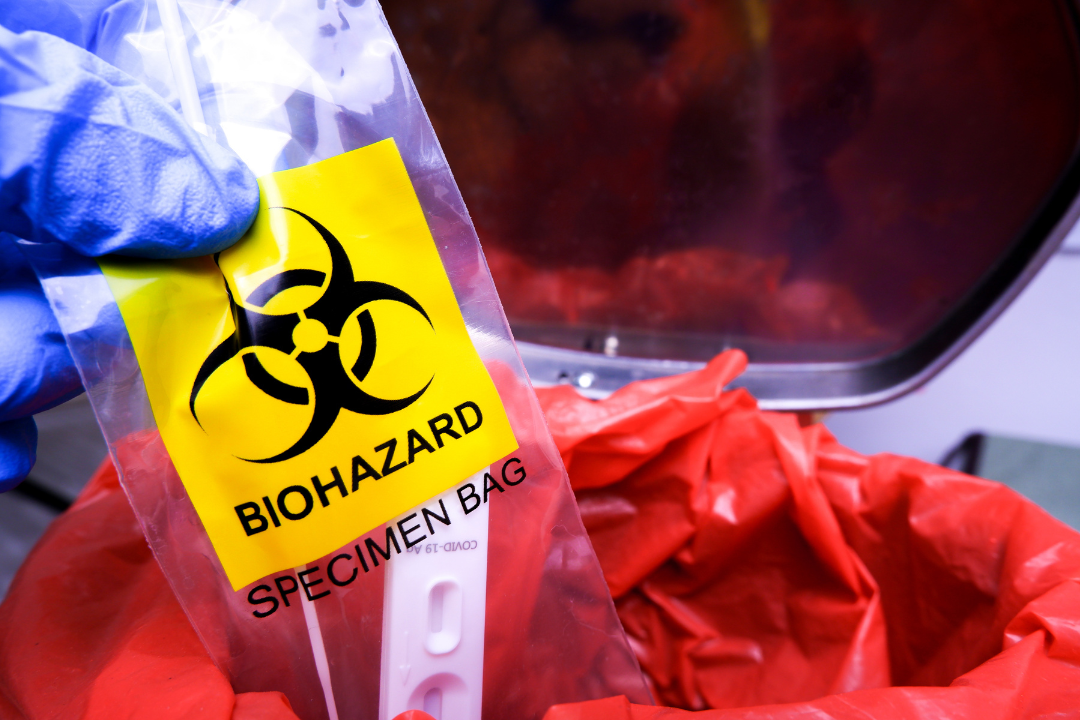
Disposing of medical waste isn’t as simple as tossing it in the trash—far from it.
Medical facilities generate many different types of waste, each requiring careful handling to prevent harm to the community and environment. From biohazardous materials like sharps and contaminated gauze to pharmaceutical and chemical wastes, every category has its own stringent regulations and disposal methods.
This is why many healthcare facilities rely on a range of licensed providers to manage their waste streams effectively. Yet knowing which providers to trust and how to coordinate their services can be a daunting task, especially when each type of waste has its own regulatory requirements and risks.
If your business or medical facility generates any type of medical waste, here are some of the reasons why you need specialized providers to help you manage its disposal - and how you can find the right partner to ensure the disposal of medical waste goes smoothly.
You May Be Generating Medical Waste And Not Know It
When we think of medical waste, hospitals, clinics and dental offices often come to mind. These facilities generate everything from biohazardous sharps and pathological waste to unused medications and chemical residues.
However, the reality is that a wide range of businesses and organizations generate medical waste—sometimes without realizing it.
Veterinary clinics, for instance, handle many of the same types of biohazardous materials as human healthcare providers. Tattoo parlors produce sharps and other potentially infectious waste. Even beauty salons may generate medical waste through the use of certain tools and treatments, like micro-needling or laser therapy.
But what about facilities that don’t involve direct medical care? Companies like insurance agencies, law firms or healthcare billing providers often handle patient data, which is considered Protected Health Information (PHI) under HIPAA regulations.
Improperly disposing of this data—whether it’s physical documents or electronic records—can result in severe legal and financial penalties. While these companies may not handle scalpels or syringes, they are just as responsible for managing their waste in compliance with the law.
Even schools and universities offering health science programs and retail pharmacies can unknowingly fall under the umbrella of medical waste generators. From expired medications to biological specimens used in education, the waste they produce must follow strict disposal protocols.
No matter the industry, if your organization deals with materials or data that fall under medical waste regulations, you are part of the chain of responsibility.
Medical Waste Can Be Extremely Toxic
Medical waste poses significant risks due to its toxic and hazardous nature. Items like used syringes, contaminated gauze and pathological waste can harbor dangerous pathogens capable of spreading infections if not managed correctly.
Beyond biological hazards, medical waste often includes toxic chemicals, pharmaceuticals and even radioactive materials that can have long-term effects on ecosystems if they enter the soil or water supply.
For instance, some common types of medical waste contain harmful substances like mercury, commonly found in certain medical devices, and chemotherapy drugs, which are highly toxic even in small quantities.
When these materials are improperly disposed of, they can leach into the environment, contaminating natural resources and potentially exposing communities to health risks. The sheer variety of toxins involved underscores the need for specialized handling protocols tailored to the type of waste being managed.
Improperly managed medical waste also can harm sanitation workers, waste disposal staff and even the general public. Sharps like needles can puncture disposal bags, exposing individuals to infectious diseases like HIV or hepatitis. Improperly incinerated medical waste can release hazardous fumes and particulate matter into the atmosphere, contributing to air pollution and respiratory issues.
Managing the toxicity of medical waste requires more than basic disposal—it demands a robust, regulated approach involving trained professionals.
A Provider Must Be Licensed To Handle The Waste You Generate
You may believe you're doing the right thing by hiring a hazardous waste disposal company to handle all your medical waste. After all, the waste that your facility generates, whether hazardous material or sensitive information, requires careful handling.
But what you may have overlooked is whether you've hired the right provider for the specific needs of your facility. Here’s why.
Only certain types of waste transporters are legally permitted to handle medical waste. Within medical waste, there are several subtypes that require a different level of specialization.
For example, many healthcare facilities generate biomedical waste. The transporter you hire that transports this waste to treatment, storage and disposal facilities (TSDF) must be licensed to transport biomedical waste through the California Department of Public Health (CDPH).
Even if a transporter is licensed through the Department of Toxic Substances Control (DTSC) to transport hazardous waste, it cannot transport biomedical waste unless it is specifically licensed through the CDPH.
Here are a few additional examples that show common types of medical waste and the type of transporter that is legally allowed to move that waste from your business to a disposal facility:
- Infectious waste: Regulated Medical Waste Transporter
- Pharmaceutical waste: Regulated Medical Waste Transporter or Hazardous Waste Transporter, depending on the type of pharmaceutical waste that requires disposal
- Radioactive waste: Specialized Hazardous Waste Transporter
- Chemical waste: Hazardous Waste Transporter
- Sharps waste: Regulated Medical Waste Transporter
- Pathological waste: Regulated Medical Waste Transporter
- Pharmaceutical trace waste: Regulated Medical Waste Transporter, and/or Hazardous Waste Transporter depending on the type of pharmaceuticals
- Solid waste: Depends on the type of solid waste that requires disposal
- Electronic waste: Universal Waste Transporter
This is a key reason why the disposal of medical waste demands specialized providers. It’s also the reason behind why your medical company may require different providers to handle your waste. However, the good news is that some hazardous waste disposal companies in California can handle multiple medical waste streams, making your job of finding the right provider for your company a little easier as long as you know what to look for in a top partner.
How To Find The Right Specialized Provider
Finding the right specialized provider for your medical waste disposal needs requires a thorough understanding of the types of waste your facility generates and the specific qualifications required to handle them.
Start by conducting a waste audit to identify all waste streams, from infectious and pharmaceutical waste to data and electronic waste. Once you have a clear picture, you can focus on providers who are licensed and equipped to manage those specific waste types.
Verify the credentials of potential providers to ensure they meet state and federal licensing requirements. In California, for instance, transporters must have appropriate certifications from agencies like the California Department of Public Health (CDPH), the Department of Toxic Substances Control (DTSC), or other regulatory bodies. A reputable provider should be transparent about their licensing and compliance history and should provide proof of their qualifications.
Consider the scope of services a provider offers. Look for companies that can handle multiple waste streams since this can simplify your waste management process and reduce logistical challenges. A single provider capable of managing biomedical, hazardous, pharmaceutical and even electronic waste can save your organization time and resources while ensuring compliance across the board.
Evaluate the provider’s commitment to safety and environmental responsibility. Ask about their disposal methods and whether they prioritize sustainable practices, such as recycling or proper waste segregation.
Read client reviews and testimonials to gauge their reliability and customer service. By taking the time to vet providers carefully, you can build a partnership that keeps your facility compliant, protects the environment and minimizes risks.
Disposing of medical waste isn’t as simple as tossing it in the trash—far from it.