
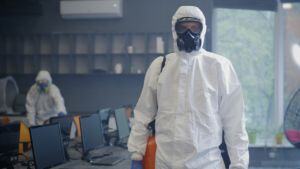
For businesses that handle hazardous materials, a facility decontamination is a critical process. Whether the cleanup follows a chemical spill, industrial accident, or routine maintenance of a laboratory or production area, proper decontamination protects employees, ensures regulatory compliance, and mitigates environmental risk.
Understanding what happens during a professional facility decontamination can help businesses plan ahead and choose qualified service providers.
Why Facility Decontamination Matters
Facility decontamination goes beyond simple cleaning. It involves removing or neutralizing hazardous substances such as chemicals, solvents, biohazardous material, or other contaminants. Without professional intervention, contaminated areas can pose serious risks, including:
- Worker exposure to toxic or infectious substances
- Fire or chemical hazards
- Environmental contamination of soil or water
- Non-compliance with federal, state, and local regulations
For businesses, these risks translate into potential liability, fines, and operational disruptions. That’s why facility decontamination is often performed by licensed hazardous waste cleanup companies with trained staff and specialized equipment.
Initial Assessment and Planning
The first step in a facility decontamination is a thorough assessment. Professionals will:
- Identify the type of contamination – This includes chemical, biological, or radiological hazards. Different hazards require different handling and disposal methods.
- Evaluate the extent of contamination – Areas may be partially or fully affected, and some materials may be more hazardous than others.
- Determine applicable regulations – Certain wastes, such as medical or pharmaceutical residues in California, must be handled by a hazardous waste disposal company. Other chemicals may fall under federal hazardous waste regulations.
The assessment phase ensures that the cleanup plan is tailored to the facility, the type of waste, and regulatory requirements.
Containment and Safety Measures
Before any decontamination services begin, the area is secured to protect workers, visitors, and the environment. Safety measures often include:
- Establishing controlled zones to limit access
- Using personal protective equipment (PPE) for all staff
- Ventilating areas to reduce inhalation hazards
- Containing spills or contaminated materials in appropriate containers
These precautions reduce exposure risks and prevent the spread of hazardous materials to uncontaminated areas.
Removal and Cleaning of Contaminated Materials
Once the area is secured, decontamination teams remove and treat contaminated materials. This can involve:
- Segregating waste streams – Materials are classified as chemical, biohazardous, pharmaceutical, or universal waste. Correct segregation is essential for compliance and proper disposal.
- Cleaning and neutralizing surfaces – Floors, countertops, equipment, and walls are treated with appropriate cleaning agents or neutralizing chemicals.
- Collecting and packaging waste – Hazardous materials are placed in approved containers, labeled correctly, and stored temporarily before transport.
At this stage, businesses often realize the importance of working with a licensed hazardous waste disposal contractors, especially for regulated waste streams such as infectious materials, pharmaceutical residues, or flammable solvents.
Disposal and Transport
Proper disposal is a critical component of facility decontamination. Depending on the type of waste:
- Chemical solvents are often sent to specialized hazardous waste facilities for neutralization, recycling, or incineration.
- Medical or biohazardous waste in California must be transported by a licensed regulated medical waste transporter.
- Pharmaceutical trace waste may require disposal through either a hazardous waste transporter or a licensed medical waste transporter, depending on classification.
- Universal waste, including electronics or batteries, must be handled by a universal waste transporter.
A qualified decontamination company ensures that all waste is tracked, documented, and disposed of in compliance with federal and state regulations.
Verification and Final Inspection
After decontamination, a thorough inspection ensures that the facility is safe for regular operations. Verification often includes:
- Sampling surfaces to check for residual contamination
- Inspecting that all hazardous materials have been removed or neutralized
- Confirming compliance with regulatory standards
- Providing documentation of completed decontamination for the business’s records
This documentation is particularly important for inspections, audits, and maintaining a record of due diligence.
Why Professional Decontamination Matters
Attempting to manage contaminated areas without professional support can be risky. Professionals provide:
- Regulatory compliance – Ensuring that all applicable laws, permits, and licensing requirements are met
- Safety and risk management – Minimizing exposure for employees and visitors
- Efficiency – Using specialized equipment and trained personnel to complete the process quickly and thoroughly
- Proper waste handling – Ensuring that hazardous materials are classified, transported, and disposed of correctly
By working with a qualified decontamination service, businesses reduce liability and protect both their employees and the environment.
Planning for Future Compliance
Businesses that have undergone facility decontamination often implement preventive measures:
- Routine maintenance and cleaning protocols
- Employee training on handling hazardous materials
- Proper storage and labeling of chemicals and waste
- Partnerships with licensed hazardous waste transporters
These steps not only reduce the likelihood of future incidents but also streamline compliance with regulatory inspections and audits.
A facility decontamination is a complex but necessary process for any business that handles hazardous materials. From initial assessment and containment to cleaning, waste transport, and verification, each step requires expertise, proper licensing, and adherence to regulations.
Working with a qualified decontamination company ensures that hazardous materials are handled safely, compliant disposal pathways are followed, and your facility is restored to a safe, operational state. For businesses in California, any waste classified as medical, pharmaceutical, or otherwise regulated must be transported by licensed professionals, underscoring the importance of partnering with knowledgeable experts.

For businesses that handle hazardous materials, a facility decontamination is a critical process. Whether the cleanup follows a chemical spill, industrial accident, or routine maintenance of a laboratory or production area, proper decontamination protects employees, ensures regulatory compliance, and mitigates environmental risk.