
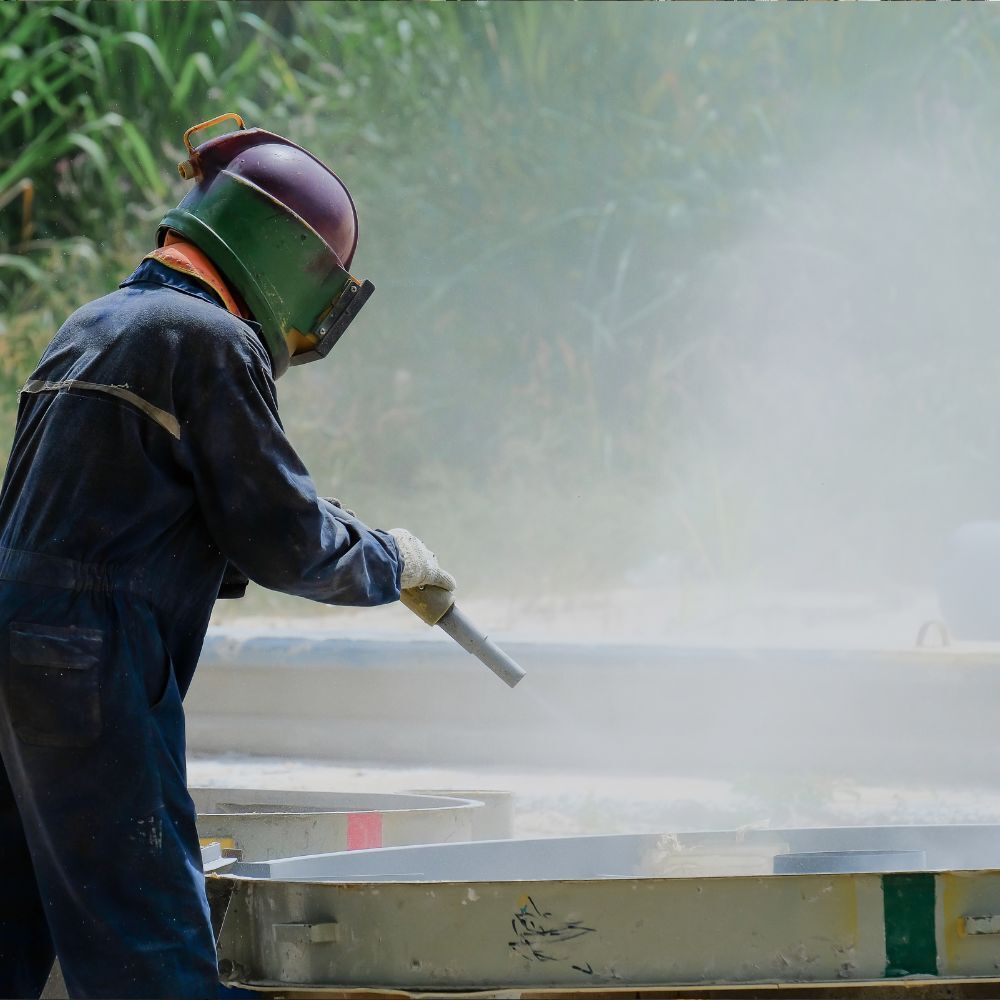
Industrial cleaning plays a crucial role in extending the life of your equipment and avoiding costly repairs or replacements.
At its core, this process specializes in removing buildup, contaminants and residues that can compromise machinery over time. And when your machinery is compromised, that can mean big dollars for your business.
Here is a closer look at what industrial cleaning means for your business and whether you should invest in this specialized process to protect what you have already invested in at your facility.
What is Industrial Cleaning?
Industrial cleaning refers to the professional cleaning of equipment, machinery, and industrial spaces to ensure optimal performance, safety, and compliance.
Unlike general janitorial services, industrial cleaning focuses on the unique needs of manufacturing plants, warehouses, processing facilities, and other industrial environments. These spaces often accumulate grease, chemicals, dust, and other harmful residues that require specialized tools and techniques to remove.
There are several types of industrial cleaning solutions, each tailored to specific challenges:
- Equipment Cleaning: This involves the deep cleaning of machinery and production equipment to remove contaminants that can impact performance. It helps prevent breakdowns, reduce maintenance costs, and extend equipment lifespan.
- Tank and Vessel Cleaning: Tanks used for storing chemicals, water, fuel, or food products must be cleaned regularly to prevent contamination, corrosion, and hazardous buildup. This often requires confined space entry and adherence to strict safety standards.
- High-Pressure Cleaning: Using powerful jets of water, this method blasts away stubborn grime, scale, or buildup from surfaces like factory floors, walls, and processing lines without the need for harsh chemicals.
- Hazardous Material Cleaning: Facilities that handle hazardous substances need specialized cleaning to safely remove residues and maintain compliance with environmental and safety regulations.
- Ventilation and Duct Cleaning: Over time, air systems in industrial settings can accumulate dust and contaminants that reduce air quality and system efficiency. Regular cleaning helps maintain a safe and breathable environment for workers.
Investing in industrial cleaning helps you protect your assets, maintain safety, and reduce the risk of unexpected operational disruptions.
Does Your Facility Need Industrial Cleaning Services?
If your facility relies on complex equipment, handles chemicals, or operates in an environment where debris and buildup are common, then industrial cleaning may be needed.
Any buildup of grime, residue, or hazardous material not only reduces operational efficiency but also puts your equipment, employees, and overall production at risk.
Ask yourself these questions:
- Are you experiencing more frequent equipment malfunctions or unexpected downtime?
- Have your maintenance costs been rising?
- Are there visible signs of residue, corrosion, or contamination around your machinery or storage areas?
- Do you operate in a regulated industry that requires strict cleanliness or safety standards?
- Is dust or debris affecting your air systems and indoor air quality?
If you answered yes to any of these, then industrial cleaning services can offer measurable benefits. From enhancing productivity to meeting compliance requirements, investing in proper cleaning supports your long-term operational goals.
How Often Should Industrial Cleaning Be Performed?
The ideal cleaning schedule for your facility depends on several factors, including your industry, the complexity of your equipment, the nature of the materials you handle, and the regulatory requirements you must meet.
For example:
- Food and beverage facilities may require daily or weekly cleaning due to strict sanitation standards and the risk of contamination. Equipment that comes into contact with food products must be regularly sanitized to comply with health codes and prevent product recalls.
- Heavy industrial plants often operate under intense conditions that lead to build-up of grease, metal shavings, dust, or chemical residues. These facilities may schedule monthly or quarterly deep cleans, supplemented by more frequent spot cleaning in high-use areas.
- Chemical storage and hazardous waste sites are subject to strict government regulations that often mandate specific cleaning intervals. These areas must be inspected and cleaned according to federal, state, or industry-specific guidelines to maintain compliance and protect worker safety.
Other factors that may influence your cleaning frequency include the age and condition of your equipment, how many shifts you run, and whether your facility is preparing for an audit or certification.
A professional industrial cleaning provider can help you evaluate all of these variables and develop a customized cleaning plan.
While routine cleaning helps maintain smooth operations, it’s also important to be prepared for the unexpected. Emergency spills, equipment failures, or contamination events can happen without warning and often require immediate cleanup to prevent health hazards.
Establishing a relationship with a trusted industrial cleaning partner before an emergency occurs means they can respond quickly and effectively since they are already familiar with your facility’s layout, needs, and protocols.
What to Look for in an Industrial Cleaning Partner
Choosing the right industrial cleaning provider is critical, not just for getting the job done, but for ensuring it’s done safely and efficiently. Unlike general cleaning services, industrial cleaning demands specialized skills, equipment, and experience.
Here are key qualities to look for:
- Industry Experience: Make sure the provider has a proven track record working with facilities like yours. Whether you operate in food processing, manufacturing, pharmaceuticals, or chemical storage, experience with your specific environment ensures they understand your unique challenges and standards.
- Certifications and Training: Industrial cleaning often involves hazardous materials, confined spaces, or heavy machinery. Look for companies whose crews hold relevant certifications.
- Flexible Scheduling: Downtime is costly. A reputable partner should offer scheduling that works around your production hours, including overnight or weekend service if needed, to minimize disruption to your operations.
- Safety-First Approach: The best providers prioritize safety. Ask about their safety protocols, protective equipment, and disposal methods for any hazardous byproducts. A reliable company will follow all EPA and OSHA regulations when disposing of waste and handling dangerous materials.
- Clear Scope and Transparent Pricing: Industrial cleaning can be complex, so clarity is key. Look for a company that offers detailed quotes, clear communication, and a well-defined scope of work. You should know exactly what services are included, how long the job will take, and what the outcomes will be.
Don’t wait for a major breakdown to realize the importance of a clean facility. Proactive industrial cleaning can keep your business running smoothly, extend the life of your equipment, and help you avoid expensive problems before they start.

Industrial cleaning plays a crucial role in extending the life of your equipment and avoiding costly repairs or replacements.