
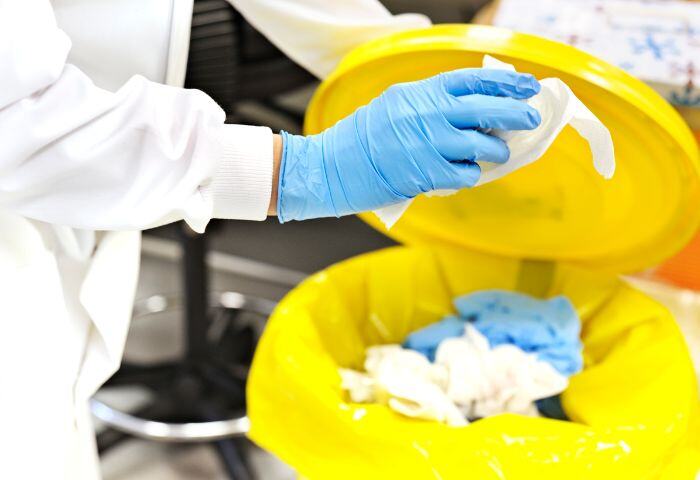
Dental practices generate medical waste every day. From sharps and blood-soaked materials to pharmaceutical waste and contaminated packaging, proper disposal is not only a matter of cleanliness — it is a legal and regulatory obligation.
For dentists, especially those operating busy practices or multi-location clinics, understanding how medical waste must be handled is essential to maintaining compliance and protecting both staff and patients.
Because medical waste regulations vary by state, dental practices in California face particularly strict requirements. Knowing which waste streams apply to dentistry — and who is legally allowed to transport and dispose of them — can help prevent violations, fines, and unnecessary risk.
What Counts as Medical Waste in a Dental Practice?
Medical waste in dentistry extends well beyond needles and syringes. In California, medical waste is broadly defined and includes any waste generated during diagnosis, treatment, or immunization that could pose an infection risk.
Common types of dental medical waste include:
- Sharps waste: Needles, syringes, scalpel blades, orthodontic wires, and lancets
- Biohazardous waste: Blood-soaked gauze, cotton rolls, and disposable PPE
- Pathological waste: Extracted teeth containing blood or tissue
- Pharmaceutical waste: Expired or unused anesthetics, medications, or vaccine materials
- Contaminated lab materials: Items exposed to saliva or blood during procedures
Each of these waste types must be segregated, stored, and disposed of correctly to remain compliant.
Sharps Waste: A High-Risk Category
Sharps are among the most strictly regulated waste streams in dentistry due to the risk of injury and disease transmission. Needlestick injuries can expose staff to serious pathogens, making proper containment and disposal critical.
Sharps must be:
- Placed immediately into approved sharps containers
- Never overfilled
- Stored in a secure location
- Collected by a licensed transporter
In California, sharps waste is classified as regulated medical waste and must be handled by a licensed regulated medical waste transporter.
Biohazardous and Infectious Waste
Materials contaminated with blood or potentially infectious fluids — such as gauze, gloves, masks, and barriers — fall under regulated medical waste when they meet specific criteria.
In California:
- Biohazardous waste must be placed in red bags or labeled containers
- Storage time limits apply, depending on temperature and container type
- Disposal must be performed by a licensed medical waste transporter
Dental offices cannot dispose of this waste in regular trash or solid waste dumpsters, even if quantities seem small.
Extracted Teeth and Pathological Waste
Extracted teeth that contain blood or tissue are considered pathological waste. While teeth without blood or tissue may sometimes be exempt, most extractions generate regulated waste that must be handled accordingly.
Improper disposal of extracted teeth is a common compliance issue during inspections. Dental practices should assume extracted teeth are regulated medical waste unless a waste professional confirms otherwise.
Pharmaceutical Waste in Dental Practices
Dentists also generate pharmaceutical waste, such as:
- Expired anesthetics
- Unused medications
- Partially used cartridges
In California, pharmaceutical trace waste may be handled by either a regulated medical waste transporter or a hazardous waste transporter, depending on the drug type and classification.
Some pharmaceuticals may also fall under hazardous waste regulations due to toxicity or environmental impact. Misclassifying pharmaceutical waste can lead to serious regulatory consequences.
California Licensing Requirements for Medical Waste Disposal
California law is clear: medical waste must be transported and disposed of by a properly licensed entity. Dental practices are not permitted to self-haul regulated medical waste unless they meet specific, limited exemptions.
Key requirements include:
- Use of a licensed regulated medical waste transporter
- Proper waste tracking and documentation
- Compliance with storage time limits
- Use of approved containers and labeling
Failure to comply can result in fines, citations, or disciplinary action from regulatory agencies.
What About Other Waste Streams in a Dental Office?
Not all waste generated by a dental practice is medical waste, but proper classification is essential.
- Electronic waste: Items such as X-ray equipment, monitors, and electronic devices must be handled by a universal waste transporter
- Solid waste: Non-hazardous materials like uncontaminated packaging are handled on a case-by-case basis
- Hazardous waste: Certain chemicals, disinfectants, or amalgam-related materials may require a hazardous waste transporter
- Radioactive waste: Rare in dentistry, but if present, must be disposed of by a specialized hazardous waste transporter
A licensed waste disposal partner can help identify which transporter is legally required for each waste stream.
Why Dental Practices Should Not Manage Medical Waste Internally
Attempting to manage medical waste in-house or using unlicensed vendors exposes dental practices to significant risk. Common issues include:
- Improper segregation of waste
- Inadequate storage
- Missing documentation
- Non-compliant transport
These issues often surface during inspections or audits and can result in costly penalties.
Working with a licensed hazardous and medical waste disposal contractor ensures:
- Compliance with California regulations
- Proper documentation and manifests
- Secure transport and disposal
- Reduced liability for the dental practice
Building a Compliant Medical Waste Plan
Every dental practice should have a written medical waste management plan that includes:
- Waste classification guidelines
- Staff training protocols
- Container placement and storage rules
- Pickup schedules
- Documentation procedures
A professional waste disposal company can help dental offices create and maintain these plans as regulations evolve.
Protecting Your Practice Through Proper Disposal
Disposal of medical waste is a critical operational responsibility for dental practices. In California, where licensing requirements are strict, working with a qualified and licensed transporter is not optional — it is required by law.
By understanding waste classifications, following proper storage and handling procedures, and partnering with a licensed hazardous and medical waste disposal provider, dental practices can protect their staff, their patients, and their business.
Dental practices generate medical waste every day. From sharps and blood-soaked materials topharmaceutical waste and contaminated packaging, proper disposal is not only a matter of cleanliness — it is a legal and regulatory obligation.